What to Wear to a Job Interview: A Men’s Guide
The safe rule: dress one step above what people at the company wear every day. If you cannot tell what that is, a navy or charcoal suit is never the wrong answer.
Start with the industry
- Finance, consulting, law, accounting: a suit. Navy or charcoal, white or light blue shirt, a simple tie.
- Corporate, sales, real estate, most internships: a blazer with dress pants and a dress shirt. Bring a tie and decide when you see the room.
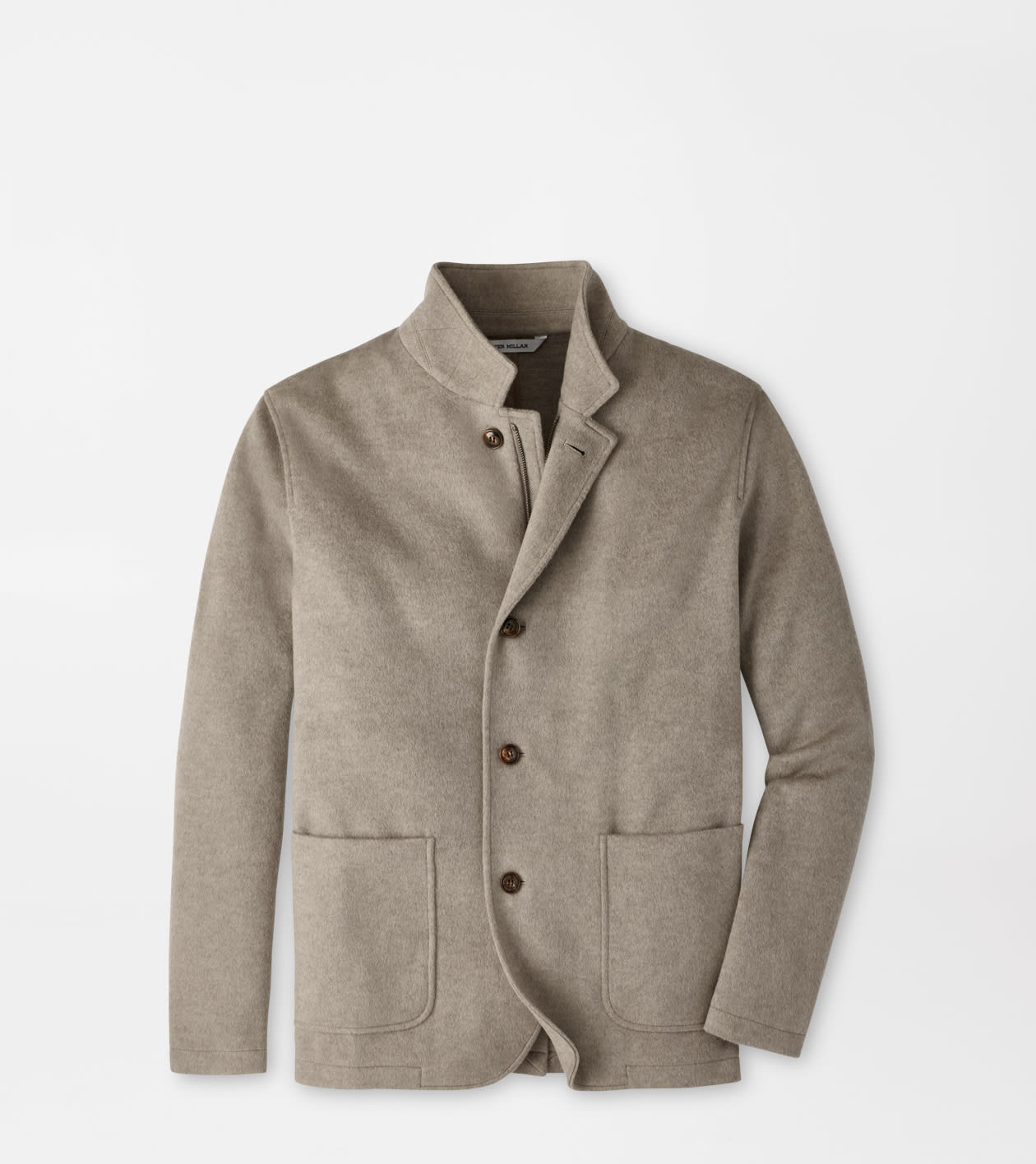
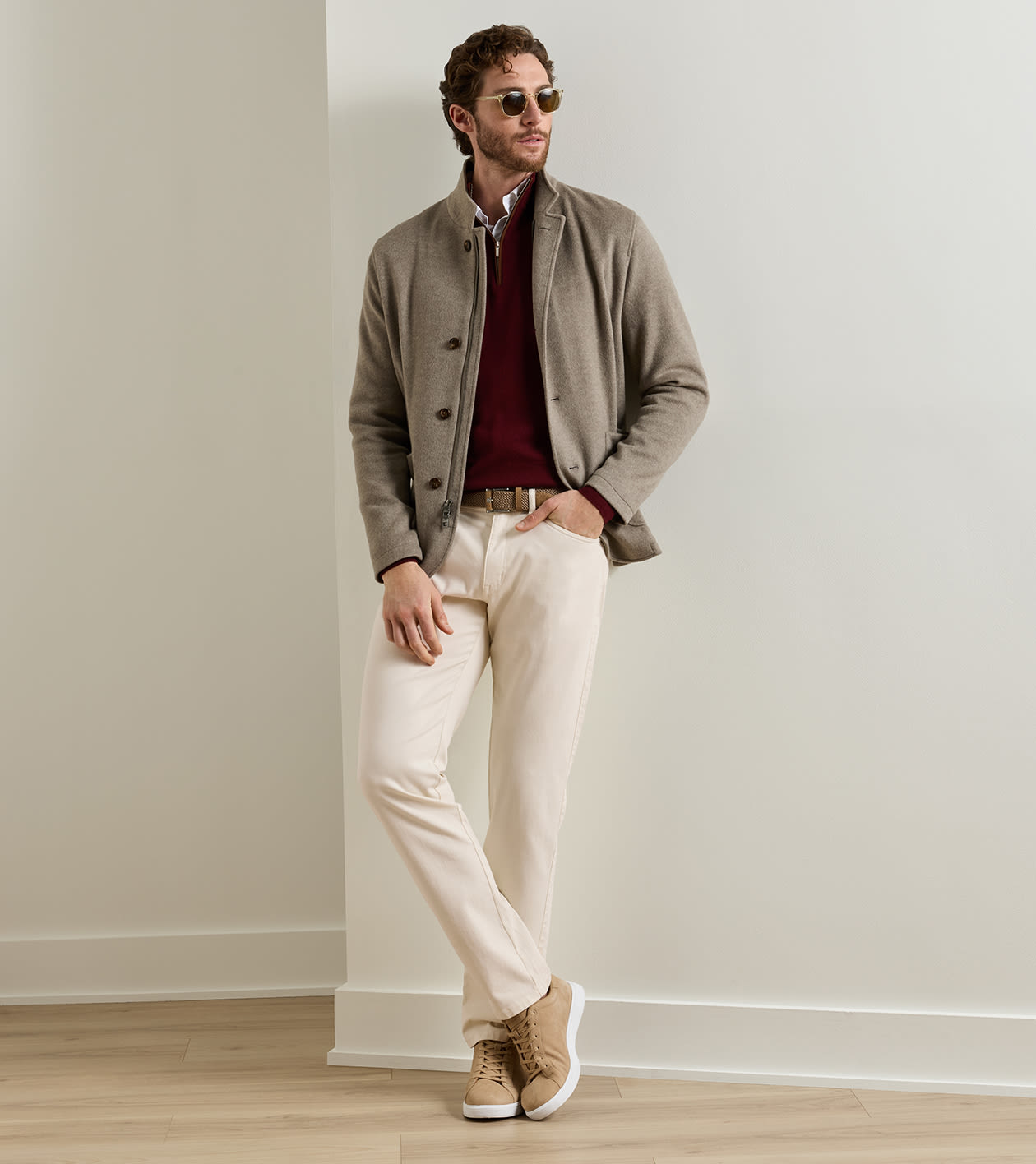
- Tech, startups, creative roles: a blazer over a button-down or a fine knit, with chinos or dress pants. No tie.
- Video interviews: dress the same from the waist up, and wear real pants anyway. You sit differently in them.
Fit matters more than the label
An inexpensive jacket that fits beats an expensive one that does not. The shoulder seam should end where your shoulder does. You should see about half an inch of shirt cuff past the jacket sleeve. Pants should touch the top of your shoe with a slight break, not pool on it.
If you are between sizes in a jacket, choose the one that fits your shoulders. Sleeves and waists can be adjusted; shoulders cannot.
Colors that always work
Navy and charcoal for the suit or blazer. White or light blue for the shirt. Brown or black leather shoes with a matching belt. Keep patterns small and let one thing, at most, stand out.
The small things interviewers notice
- Pressed shirt, no wrinkles at the collar.
- Clean, polished shoes.
- Dark socks that cover your shin when you sit.
- Nothing in the jacket pockets that pulls the front out of shape.
Rent it instead of buying it
A good suit or blazer is expensive to buy for something you may wear a handful of times a year. On Davenport you rent it by the month in your size, wear it for the interview and the first weeks of the job, then send it back in the prepaid mailer or buy it for less than retail.
Orders ship within one to two weeks, so order as soon as the interview is on your calendar.